Rules & basics
Class 1, 2 and 3 e-bikes: what actually changes?
E-bike classes usually describe how assistance works and the speed at which it stops. Trail, road and access rules vary by jurisdiction, so a class label is…
Read the guide →Clear explainers for real ownership decisions, with assumptions and limitations spelled out.
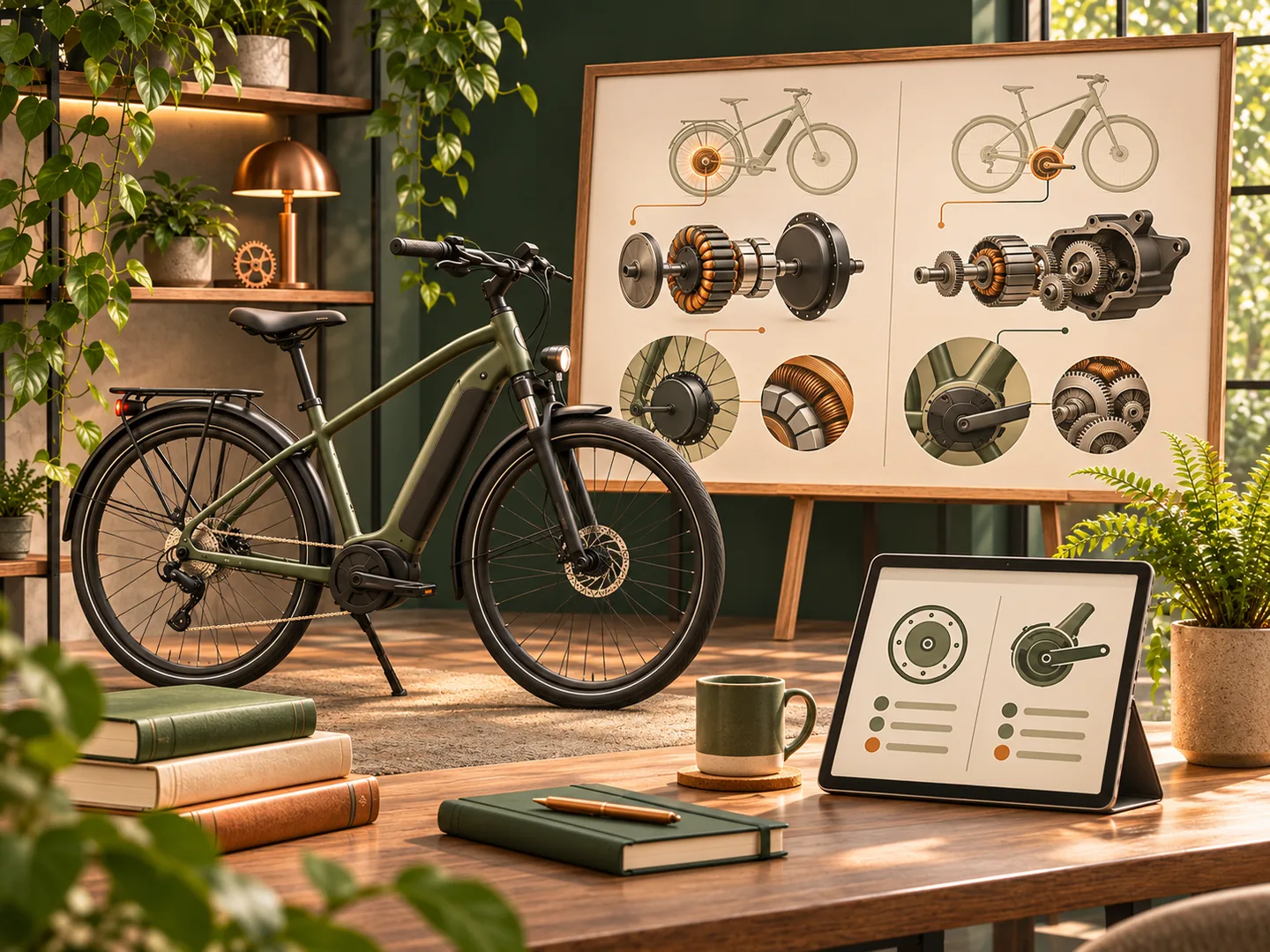
E-bike classes usually describe how assistance works and the speed at which it stops. Trail, road and access rules vary by jurisdiction, so a class label is…
Read the guide →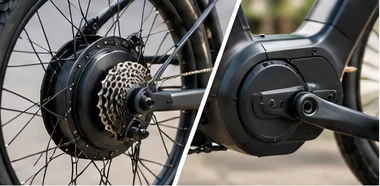
Motor placement changes how assistance feels, how the drivetrain is loaded, and what repair or maintenance work can look like.…
Read the guide →
Real-world range is a moving target. Speed, rider weight, tire pressure, grade, wind and assist settings all change watt-hour consumption.…
Read the guide →
A trustworthy electrical system, a compatible charger and sensible storage deserve the same attention as motor power.…
Read the guide →
Two bikes with similar watts can feel very different because of how they decide when to help.…
Read the guide →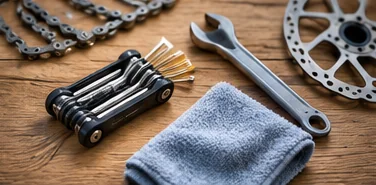
An e-bike still has the ordinary consumable parts of a bicycle, often working harder because of its weight, speed and cargo.…
Read the guide →Fit mistakes are expensive online. Frame style, reach, stand-over clearance and riding posture deserve careful measurements.…
Read the guide →
The purchase price is only one part of the decision. Maintenance, accessories, energy, batteries and the trips you genuinely replace all matter.…
Read the guide →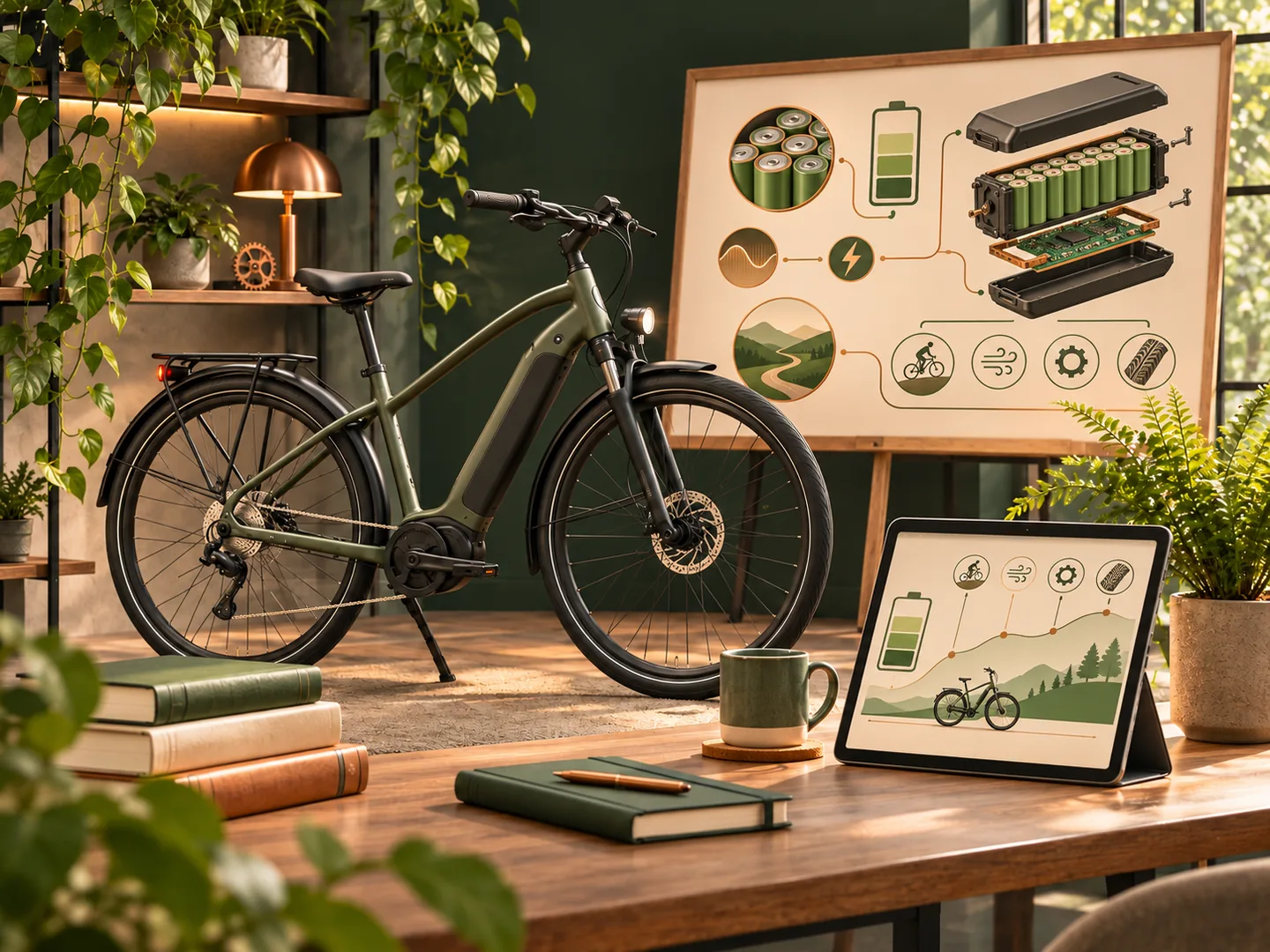
System vs. battery and how to check a claim.
Explore →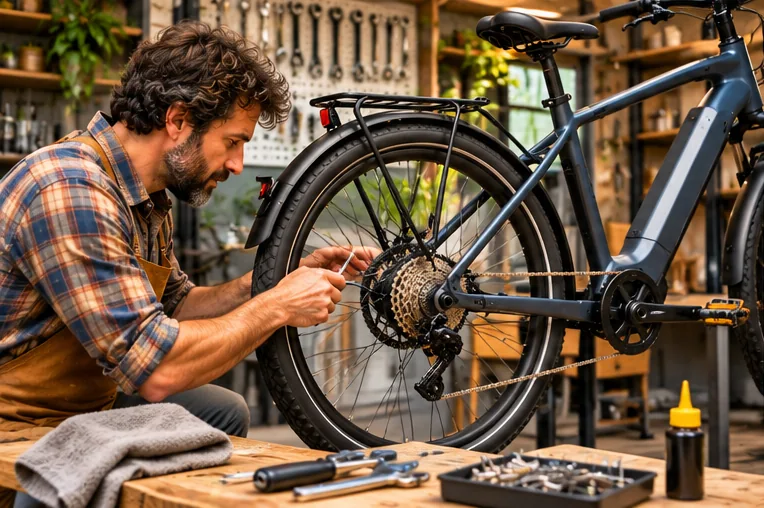
Practical compatible-charger and battery precautions.
Explore →What a bargain price cannot tell you.
Explore →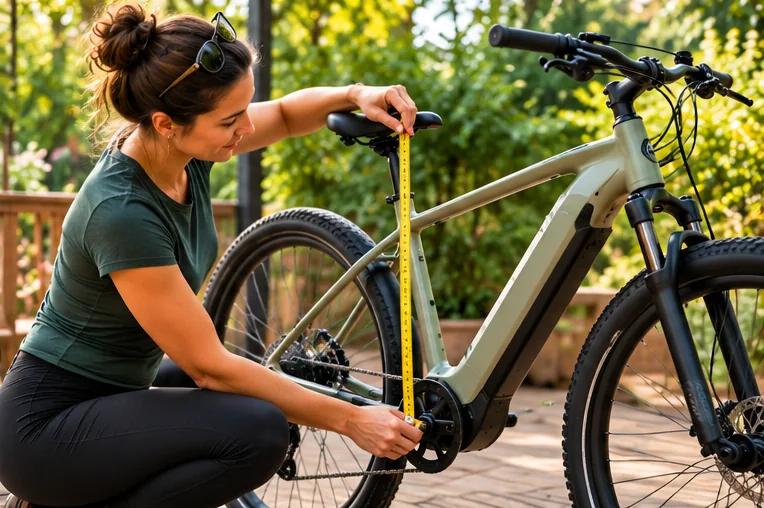
Measure and lift before buying the folding promise.
Explore →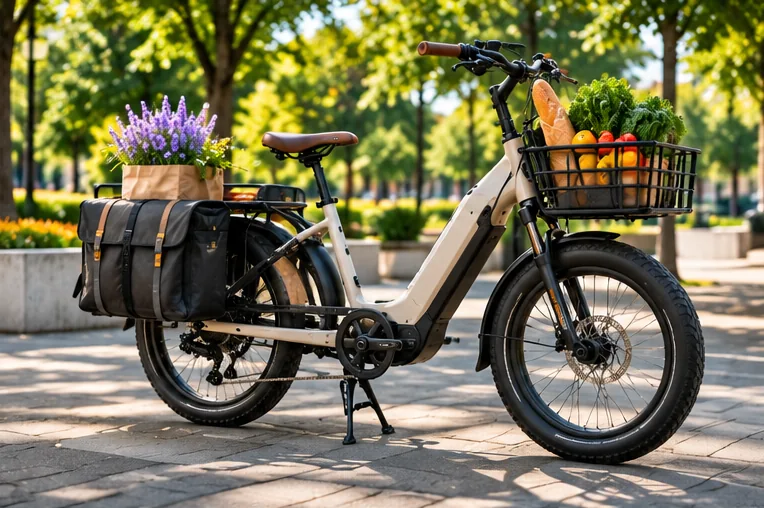
Limits, approved seats and controlled loading.
Explore →
Learn to log genuine observations and Wh/mile.
Explore →Locks, lights, racks, tires and weather basics.
Explore →